Korean food in Belgrade: what to try and where
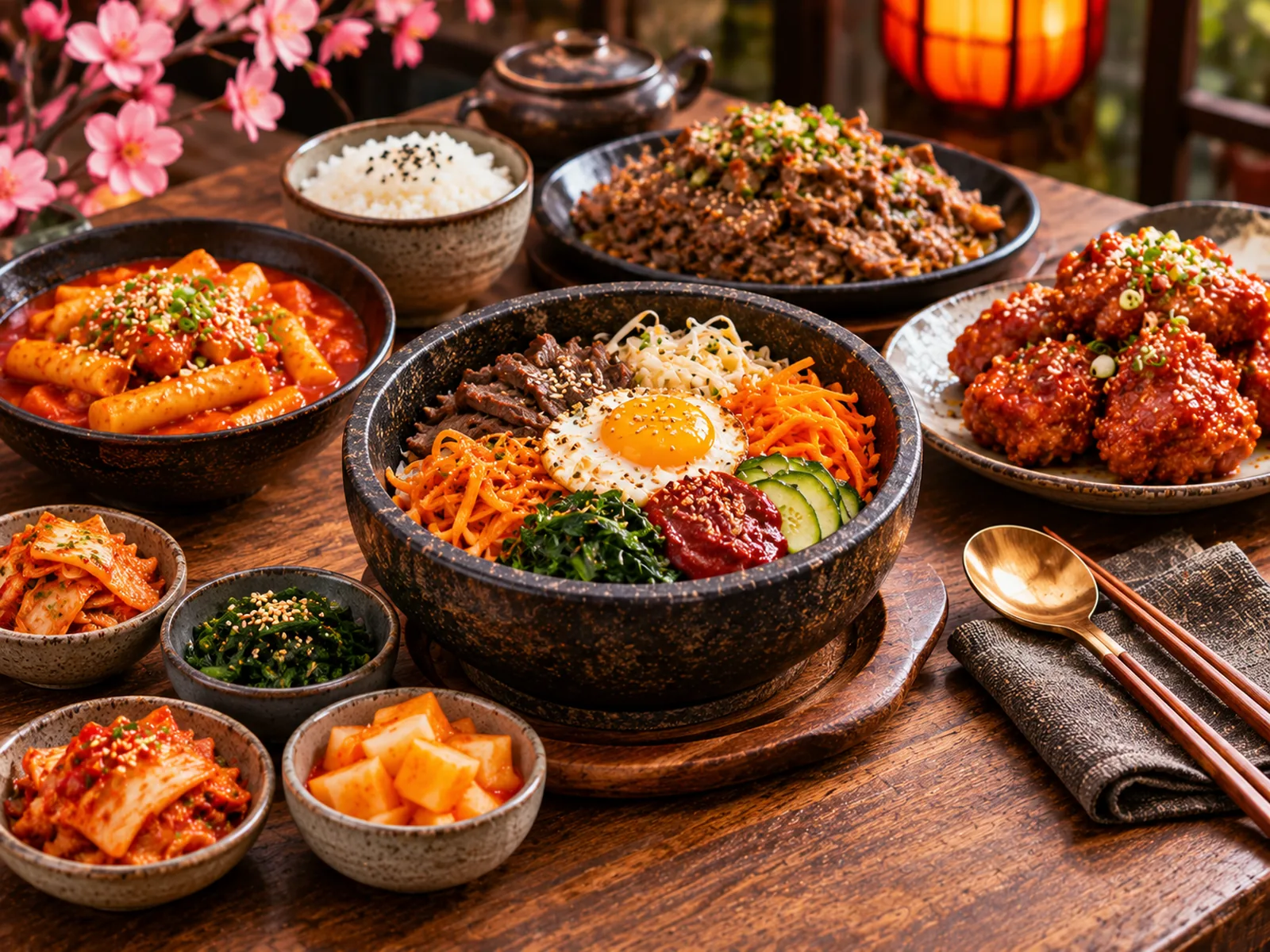
Korean cuisine is built on fermented vegetables, rice and grilled meat, with many small side dishes.
- Region
- East Asia
- Taste
- spicy, fermented, smoky
- Heat
- ●●●
- Vegetarian options
- ●●○
What to try
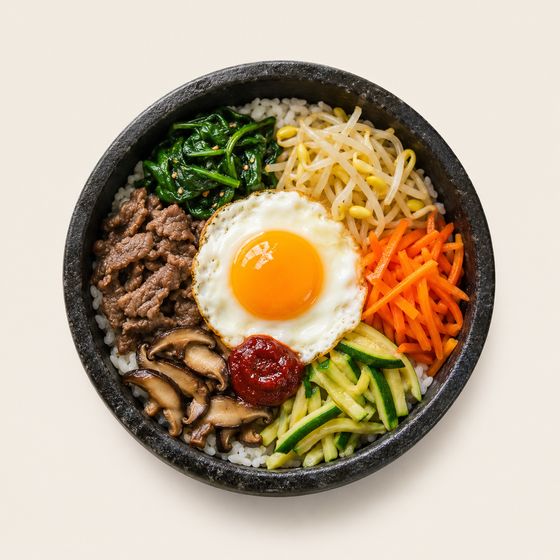
Bibimbap
Bibimbap is a Korean bowl of rice with various vegetables, meat and an egg, mixed with spicy gochujang paste before
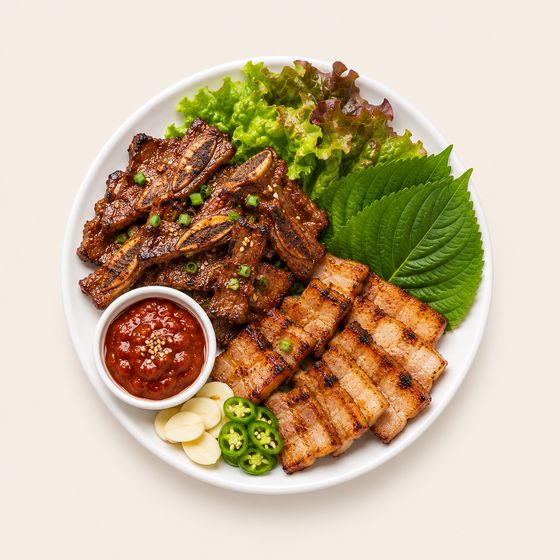
Korean BBQ
Korean BBQ is a way of eating in which meat is grilled at the table and eaten wrapped in lettuce leaves.
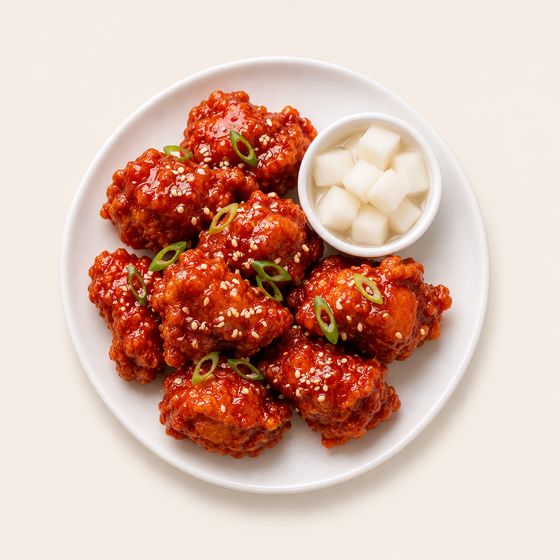
Korean fried chicken
Korean fried chicken is double-fried, extra-crispy chicken in a glossy sweet-hot sauce.
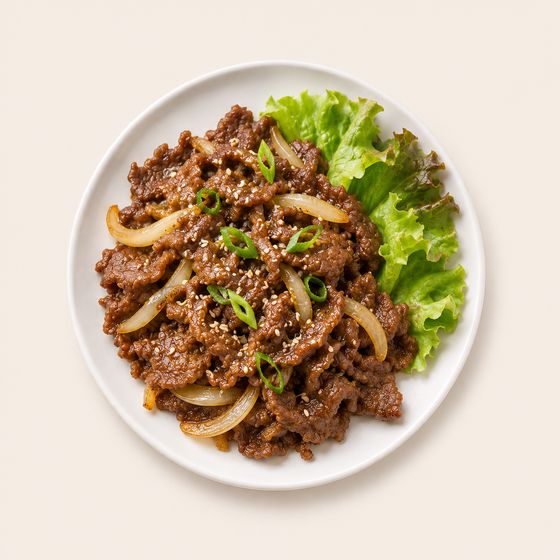
Bulgogi
Bulgogi is a Korean dish of thin slices of marinated beef, grilled or pan-fried.
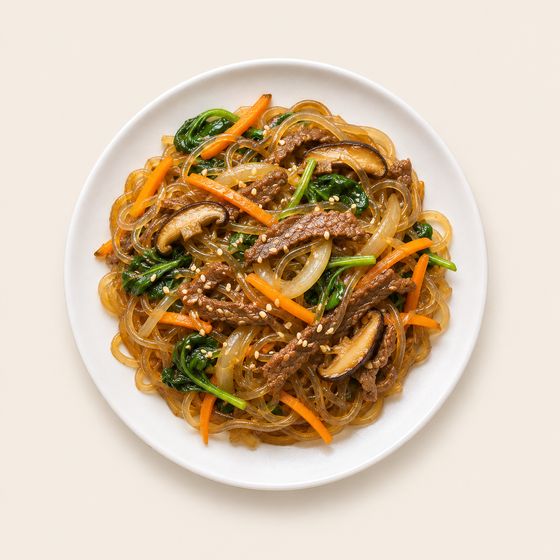
Japchae
Japchae is a Korean dish of glass noodles made of sweet potato with vegetables and meat, seasoned with soy sauce an
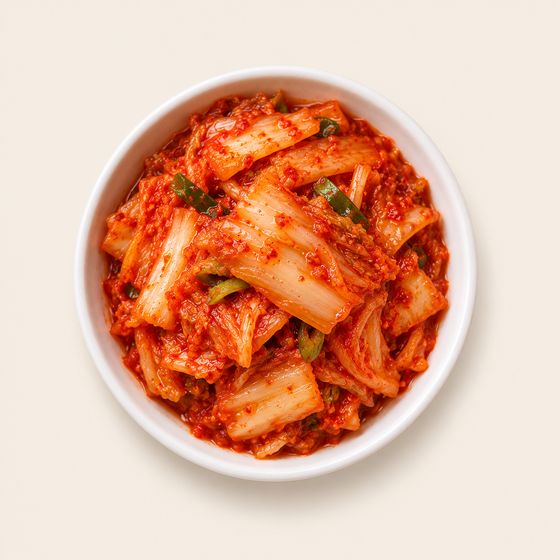
Kimchi
Kimchi is Korean fermented vegetable, most often napa cabbage seasoned with chili pepper (gochugaru), garlic and gi

Bingsu
Bingsu is a Korean dessert of finely shaved milk ice with fruit, sweet beans or chocolate.
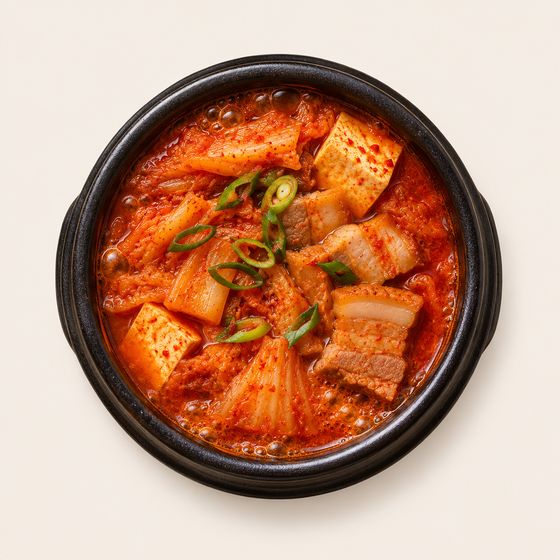
Kimchi jjigae
Kimchi jjigae is a Korean thick stew of sour kimchi, pork and tofu.
Where to try it in Belgrade
Every place on the list has had its details checked. We keep adding more.
Aigo Mashisoyo
Svetozara Markovića 27 · Vračar
BOM
Karađorđeva 61 · Savski Venac
East To Go
Cara Nikolaja II 70 · Vračar
K Kitchen
Jug Bogdanova 14 · Savski Venac
Korejski roštilj Benđija
Maršala Birjuzova 7 · Stari Grad
Seoulgrade
Vojislava Ilića 26a · Zvezdara
Meat sizzling in front of you, kimchi that wakes up every sense, a bowl of bibimbap with an egg on top: Korean food is hot, smoky and social. Here is what matters and what to try.
What makes Korean cuisine distinctive
Korean flavors are built on fermented pastes and sauces: gochujang (hot chili paste), doenjang (soybean paste) and kimchi, pickled cabbage. That is why dishes feel deep, spicy and slightly sour.
A meal arrives with a set of small side dishes, banchan (kimchi, pickles, salads), eaten with rice and the main dish. They are usually refilled for free.
Korean barbecue is an event: meat is grilled at the table, then wrapped in lettuce with ssamjang paste, garlic and kimchi.
What to try first
- Bibimbap: you want everything in one bowl. Rice with vegetables, meat and egg, with gochujang.
- Bulgogi: you do not like heat. Thinly sliced marinated beef, sweet and smoky.
- Korean fried chicken: you love crisp. Twice-fried chicken in a hot or sweet sauce.
- Kimchi jjigae: you like a warm stew. A hot kimchi stew with pork and tofu.
- Japchae: you do not eat spicy. Glass noodles with vegetables and sesame.
Menu glossary
- Banchan: small side dishes served with the meal, kimchi among them.
- Gochujang: a hot, slightly sweet chili paste.
- Gui: grilled meat (samgyeopsal is pork belly).
- Jjigae: a thick stew, eaten with rice.
- Ssam: wrapping meat in a lettuce leaf.
- Kimchi: fermented cabbage or vegetables, hot and sour.
- Soju: a Korean spirit, traditionally with barbecue.
- Mandu: Korean dumplings.
Where it comes from and what you get in Belgrade
Kimchi has been on the Korean table for thousands of years as a way to preserve vegetables over winter, while chili arrived only in the 16th century and turned it into today's hot version. Korean fried chicken became popular in the 1970s and 1980s and is now a global hit.
There are few Korean places in Belgrade, so each is worth trying. If you see a grill on the table, expect a social experience.
Frequently asked questions
Is Korean food spicy?
Many dishes are, but not all. Bulgogi, japchae and galbi are mild, while kimchi jjigae and hot sauces are spicy. Ask about heat before ordering.
What is kimchi?
Fermented vegetables, most often napa cabbage, with chili, garlic and ginger. It is sour, hot and crunchy, and goes with almost every dish.
How do you eat Korean barbecue?
Meat is grilled at the table, then wrapped in a lettuce leaf with paste, garlic and kimchi. You eat it by hand, in one bite.
Are there vegetarian options?
Yes: vegetable bibimbap, japchae, kimchi (check the sauce, it often contains fish). Ask about the broth.
What do you eat it with?
Metal chopsticks and a spoon. The spoon is for rice and stews, chopsticks for the rest.
What should two people order?
One barbecue or bulgogi, one jjigae and rice, with the banchan that arrives with the meal.